Lash Lift and Lash Serum: Can You Use Both, and When?

You can book a lash lift on Saturday and still have a nightly lash serum waiting on your bathroom shelf. The trouble is that the two sit on opposite sides of a line: one is a salon service that chemically reshapes the lash you already have, and the other is a product used at the lash line to support how lashes grow. Mixing them without a plan is where most of the problems start.
This guide is built around the questions people actually type into search boxes. Can you use serum before a lift? How soon after? Will the serum undo the curl? Does it matter which type of serum it is? You will find a simple timeline, a short list of people who should skip the combination, and the safety points that eye-care bodies keep repeating.
One thing up front: nothing here replaces advice from a licensed eye doctor or the technician who knows your lashes. Think of it as a way to walk into that conversation with better questions.
Salons often apply tints and chemicals right next to the eye, so it helps to read the FDA guidance on eye cosmetics before you book. It warns that permanent lash and brow dyes have been known to cause serious eye injuries.
Key Takeaways
- A lash lift curls existing lashes with a chemical solution. A serum is a separate product used on the lash line. They do different jobs and should not be applied at the same moment.
- There is no standard, regulator-backed waiting period. A cautious approach is to pause serum around the appointment and follow your technician’s and doctor’s instructions.
- If your serum contains a prescription ingredient such as bimatoprost, tell both your technician and your prescriber before booking.
- Skip the combination, or get medical advice first, if your eyes are dry, irritated, infected or recently operated on.
- Stop and seek care for pain, swelling, blurred vision or lasting redness. Do not wait it out.
What Is a Lash Lift, and How Is It Different From Serum?
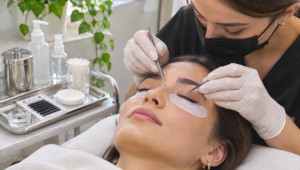
A lash lift works much like a perm for hair. According to All About Vision, a technician cleans the area, attaches a silicone pad or rod to the upper lid, positions the lashes over it, and applies chemical solutions to lift and set the curl. The service usually takes 45 minutes to an hour and is often paired with a tint.
A serum does something else entirely. It is applied along the base of the upper lashes, usually once a day, and is intended to condition the lashes or, in the case of prescription products, affect the growth cycle. If you want the background on timing, our piece on the eyelash growth cycle explains why changes take weeks, not days.
Why this difference matters for planning
A lift acts on the lash shaft that is already visible. A serum is aimed at the follicle and the lash line skin. Because they target different parts of the lash, people assume they cannot interfere with each other. They can, mostly through the skin and the lash line, not through the hair itself.
Can You Use Lash Serum Before a Lash Lift?
Many people do, but the sensible window is not the night before. Here is why a pause makes sense:
- Residue at the lash line can make it harder for a technician to clean the lashes and for the adhesive to hold.
- Lids that are already a little pink or itchy from a serum are less able to tolerate a chemical service.
- If a reaction occurs, it is harder to tell whether the lift or the serum caused it.
There is no published rule that says exactly how many days to stop. Salons set their own policies, and some ask clients to stop all lash products for a few days. Ask yours what it requires, and write the answer down.
How Soon After a Lift Can You Restart Serum?
Technicians commonly ask clients to keep lashes dry and avoid makeup for a short period after a lift, though the exact time varies by salon. All About Vision notes that aftercare instructions differ and tells readers to follow their technician’s guidance.
Treat the first days as healing time. The lid skin has just been near glue and solutions, and adding a daily active product right away piles on one more variable. A reasonable routine is to wait until the technician says the lashes can get wet and the lids look and feel normal, then restart gently.
A cautious timeline
- A few days before: pause serum if your salon asks for it, and skip new products near the eyes.
- Appointment day: arrive with clean, makeup-free lids and no serum applied.
- First days after: follow the aftercare sheet. Keep the lash line free of new products.
- When the lids look calm: restart serum on the schedule your product or prescriber recommends, and watch for irritation.
This is a conservative outline, not a medical protocol. Your technician or doctor may give a different timeline for your situation.
Will Serum Ruin or Relax a Lash Lift?
This is the question behind many searches, and the honest answer is that no strong evidence settles it. Most serums are not designed to straighten lashes, yet an oily or heavy formula applied along the lashes could in theory loosen how a curl looks or feels. Reports of this come mostly from salon advice, not controlled studies.
If you want to protect the curl, apply serum only at the base of the lash line with the applicator, not along the lash length. Our guide to lash serum and curl covers how people think about the shape of their lashes while using a serum.
Does the Type of Serum Change the Advice?
Yes. Lash serums fall into two broad groups, and the group matters here.
Cosmetic conditioning serums
These typically list ingredients such as peptides, panthenol or plant extracts and are sold as lash conditioners. Because the claims come from manufacturers, they are best read as claims, not as proven outcomes. For a lift, the main concern is irritation and residue.
Prescription prostaglandin products
Bimatoprost is a prescription drug in the United States. Our overview of bimatoprost for eyelashes explains how it is used and what the evidence shows. If you use a product with this kind of ingredient, tell your technician and your prescriber before a lift. They can weigh the chance of extra lid irritation and decide whether to pause it.
Not sure what is in your bottle? Read the label and check it against our post on lash serum safety. Never assume a product is approved, tested or free of drug ingredients because it is sold online.
Who Should Skip the Combination?
All About Vision lists groups who should avoid a lift or speak to an eye doctor first: people with chronic dry eye, sensitive skin or eyes, eye allergies, eye infections including styes, watery eyes, very short lashes, or recent eye surgery such as eyelid surgery or LASIK. Adding a serum on top of any of these does not make things simpler.
- Active irritation: if you already have redness or itching from a serum, see our notes on lash serum irritation before booking anything.
- Known allergies: if you have reacted to a lash product before, read up on lash serum allergy and ask about a patch test.
- Eyes that react easily: sensitive eyes call for extra caution with every new product near the lid.
- Contact lens wearers: remove lenses for the appointment and read lash serum contact lenses for the usual label advice.
What Do Eye-Care Groups Say About Salon Eye Services?
The American Academy of Ophthalmology has pointed out that treatments applied near the eye can affect vision, that repeated exposure can cause sensitivities, and that a reaction can occur even after a treatment was tolerated before because formulations change. It also notes that the FDA has not approved color additives for permanent eyelash or eyebrow dyeing.
The FDA’s own cosmetics pages add that in rare cases women have been temporarily or permanently blinded by an infection from an eye cosmetic, and advise avoiding eye cosmetics if you have an eye infection or inflamed skin around the eye. Those warnings apply to the salon chair and to your own bathroom shelf.
How Do You Choose a Safe Salon?
Salons are regulated at state and local level, so standards vary. A few practical checks help:
- Ask whether the technician is licensed where you live and how long they have done lifts.
- Ask what is in the solution and whether a patch test is offered.
- Look for clean tools, fresh disposable applicators and a clear aftercare sheet.
- Be wary of any salon that offers permanent dye on lashes.
- Say so if anything stings. A good technician will stop.
Protecting Your Lashes Between Lifts
Repeated lifts and tints can leave lashes feeling dry or brittle. All About Vision lists brittleness among the possible downsides, and a lift lasts roughly six to eight weeks as the lashes shed and regrow, so spacing appointments out gives lashes a chance to recover.
Gentle habits help. Our guide to preventing lash breakage covers cleansing, rubbing and tugging. If you also wear extensions, read lash serum vs extensions to compare the two approaches.
Frequently Asked Questions
Can I use lash serum right after a lash lift?
It is better to wait until your technician says the lashes can get wet and your lids look calm. Aftercare timing varies by salon, so follow the sheet you were given and ask if serum is covered.
How long should I stop serum before a lift?
There is no universal figure. Some salons ask clients to pause lash products for a few days, and your prescriber may advise differently if your serum contains a drug ingredient. Ask both.
Can a lash lift damage natural lashes?
It can make lashes feel dry or brittle, especially with repeated services or overprocessing. Allow gaps between lifts and avoid pulling or rubbing the lashes afterward.
Is a lash lift safe with sensitive eyes?
People with sensitive eyes, dry eye, allergies or infections are among those advised to check with an eye doctor first. A patch test may be offered, though it does not remove every risk.
Can I wear mascara or makeup after a lift?
Many technicians ask clients to avoid eye makeup for a short period. When you do start again, use gentle removal and avoid tugging at the lashes.
What symptoms mean I should see a doctor?
Seek prompt care for eye pain, swelling, light sensitivity, blurred vision, discharge or redness that does not settle. Chemical contact with the eye needs urgent attention.
A Note on Medical Advice
This article is general information, not medical advice. For any eye or eyelid concern, or before combining a prescription lash product with a salon service, talk to a licensed clinician such as an ophthalmologist or optometrist.
Sources
- U.S. Food and Drug Administration, “Eye Cosmetic Safety” (fda.gov/cosmetics/cosmetic-products/eye-cosmetic-safety)
- American Academy of Ophthalmology, “Know the Risks of Eyebrow and Eyelash Enhancement” (aao.org/eye-health/news/eyebrow-eyelash-coloring-could-harm-your-vision)
- All About Vision, “Eyelash Lift,” medically reviewed by Brian Boxer Wachler, MD, updated May 7, 2026 (allaboutvision.com/eye-care/cosmetic/eyelash-lift/)