Eyelash Extension Safety Checklist: What to Check Before You Book and What to Do If Something Feels Wrong
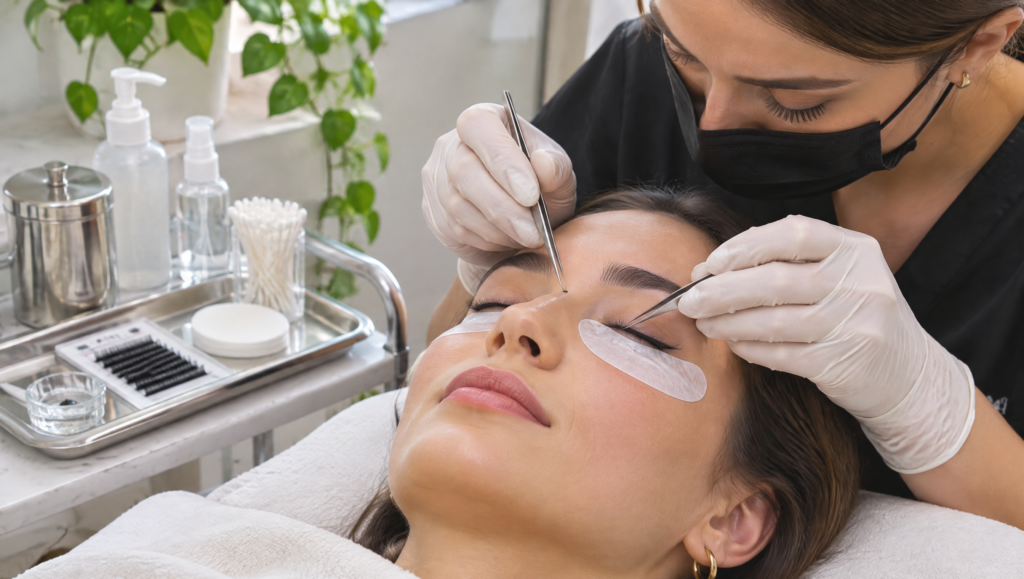
Lash extensions are sold as a quick, low-maintenance upgrade, and plenty of people book them on impulse after seeing a glossy before-and-after photo. What the photo does not show is the part that matters most for your eyes: a stranger working with tweezers, adhesive and tiny fibres a few millimetres from your eyeball.
This guide turns advice from eye-care organisations, a state licensing board and the FDA into a practical checklist. It covers what to check before you book, what to ask about the glue, what a clean salon looks like, who may want to skip extensions altogether, and which symptoms mean you should stop and get your eyes examined.
It is general information, not medical advice. If you have an eye condition, a past reaction to lash products or any doubt about whether extensions suit you, a licensed eye-care professional is the right person to ask.
The FDA’s page on eye cosmetic safety tips says false eyelashes, extensions and their adhesives are treated as cosmetics, which must meet the agency’s safety and labeling requirements. Some eye-care sources describe the same products as not regulated in a way that checks them for you before sale. Either way, the practical lesson is the same: do not assume a lash glue or a salon has been vetted on your behalf.
Key Takeaways
- The main risks eye-care sources list are allergic reaction to adhesive, infection of the eyelid or cornea, eyelid swelling or injury, and temporary or permanent lash loss.
- Check that your technician is licensed where you live, and ask to see the licence if it is not displayed.
- Ask exactly which adhesive is used and whether it contains formaldehyde. Keep in mind that formaldehyde-free does not mean reaction-free.
- Look for visible cleanliness: sanitised tools, tidy surfaces, and a technician who washes their hands and wears gloves.
- People with eyelid inflammation, dry eye, very sensitive eyes or a recent eye procedure should talk to an eye doctor before booking.
- Pain, marked redness, swelling, discharge, vision changes or ongoing irritation are reasons to stop and see an eye doctor, not to wait it out.
What can actually go wrong with lash extensions?
Understanding the realistic risks makes the checklist easier to take seriously. The American Academy of Ophthalmology lists trauma to or infection of the eyelid or cornea, allergic reaction to the glue, and temporary or permanent loss of eyelashes among the main concerns. It also notes that infection can come from poor hygiene in the salon or from damage to the eye during application.
A University of Utah eye-care article adds that unhygienic technique can introduce bacteria and lead to problems such as styes, conjunctivitis and keratitis, which is an infection of the cornea. If you are unsure how a stye differs from a chalazion, our guide to styes and chalazia explains the difference.
Two further points come up repeatedly:
- Follicle stress. Rubbing, tugging or pulling at extensions can break natural lashes and, according to the AAO, may even damage the follicle.
- Rare foreign-body problems. The AAO describes cases where fibres become lodged under eye tissue, which may need to be removed surgically. These cases are uncommon, but they are one reason not to rub your eyes while wearing extensions.
Step 1: How do you check that the technician is licensed?
Rules differ by state and country, so start by finding out what your own area requires. As one example, California’s Board of Barbering and Cosmetology says only licensed cosmetologists or estheticians should apply lash extensions, that the licence should be posted somewhere visible, and that you should ask if you cannot see it. Its advice if there is no licence is blunt: leave.
An ophthalmologist interviewed by Healio made a similar point, noting that most US states require aestheticians to be certified and recommending that you choose someone with experience in this specific treatment.
Questions worth asking
- Are you licensed here, and can I see the licence?
- How long have you been applying extensions, and do you have a portfolio of your own client work?
- What do you do if a client reports stinging or irritation during the appointment?
A Vanderbilt eye-care article suggests looking at online portfolios and asking how many sets the technician has done. A confident professional will not mind these questions. Vague answers or irritation at being asked are useful information too.
Step 2: What should you ask about the adhesive?
The glue is where most of the avoidable trouble starts. Several sources, including the University of Utah and CBS News, note that some lash adhesives contain formaldehyde, which can trigger allergic reactions in some people. The California board tells consumers to check the ingredients and to ask the technician to use a formaldehyde-free adhesive.
Healthline’s overview describes using non-irritating adhesive made for lash work and mentions medical-grade glues as an option that some people tolerate better. Treat that as a description of what is on offer rather than a guarantee. Any adhesive can cause a reaction in a sensitive person, which is why the next point matters.
What to ask
- Which adhesive do you use, and can I read the ingredient list?
- Is there a formaldehyde-free option?
- Have I reacted to a lash product, hair dye or cosmetic adhesive before? (Tell the technician if so.)
If you have previously had itchy, swollen lids after a set, read our article on glue allergy before booking again, and consider asking an eye doctor or allergist first.
Step 3: What does a safe-looking salon look like?
You cannot inspect a sterilisation process, but you can look for basic signs of care. The California board’s consumer tips suggest checking that the space is clean and free of trash and that tools appear clean and sanitised. An ophthalmologist quoted in Refinery29 raised practical questions about handwashing before touching your eyes and whether adhesive is reused between clients.
A quick visual scan
- Surfaces and the bed are clean, with fresh linen or covers.
- The technician washes or sanitises their hands and wears gloves.
- Tools such as tweezers are cleaned between clients rather than left out in a shared pile.
- Adhesive is dispensed fresh rather than from a shared, long-open container.
If anything feels off, you are allowed to leave before the appointment starts. Losing a booking fee is a small cost compared with an eye infection.
Step 4: What should you do during the appointment?
The same California tips say to keep your eye closed throughout the application, and Healthline likewise notes that the eye receiving lashes must stay closed. Beyond that:
- Speak up straight away about stinging, burning, watering or any sense that glue has touched your eye or skin.
- Do not tough it out. The FDA advises stopping any eye cosmetic that irritates you and seeing a doctor if the irritation persists.
- Avoid fumes if they bother you. Healthline mentions fume-free glues as an option, so tell the technician if vapours make your eyes sting.
Rinsing your eye with clean water is a reasonable first reaction to a splash of product, but follow the technician’s and any product instructions, and see a clinician if discomfort continues.
Who should think twice about lash extensions?
Several of the sources agree that extensions are not for everyone. Warby Parker’s eye-care guide advises avoiding them if you have known skin sensitivities or eye problems affecting the eyelids, the tear film or the meibomian glands, the oil glands along the lid margin. The University of Utah article suggests that people with sensitive eyes may do best to skip them.
Healthline recommends checking with a doctor if you have certain skin conditions and says to avoid extensions during medical procedures involving the eyes, such as LASIK surgery, or during chemotherapy and radiation.
Conditions worth discussing with an eye doctor first
- Eyelid inflammation or crusting. Our guide to eyelid inflammation explains why lash loss and lid problems often travel together, and why extra products near the lash line can complicate things.
- Gritty, burning or tired eyes. Small studies discussed in our article on dry eye and lash products show why this group should ask first.
- A recent eye infection. Wait until a clinician says your eyes have recovered.
- A history of allergic reactions to adhesives or cosmetics.
How do you care for extensions at home without causing damage?
Aftercare sheets vary by studio, so follow the one you are given. Common themes in the sources include avoiding tugging, not rubbing your eyes, and being careful with habits that can pull on extensions. The Warby Parker guide mentions sleeping position and eyelash curlers as things some aftercare instructions warn against.
Cleanliness matters too. A lash studio owner interviewed by CBS News pointed out that clients often avoid touching their extensions to make them last, which can leave debris on the lash line. Ask your technician what cleansing method suits their adhesive, and see our guide on how to clean your lashes for general principles.
Finally, the University of Utah piece suggests taking breaks between sets so your natural lashes are not manipulated constantly. None of the sources gives a universal schedule, so a sensible approach is to ask your technician and, if you notice thinning, to check in with an eye-care professional.
What are the warning signs, and when should you see a doctor?
The AAO advises that anyone who develops an infection, allergic reaction or other irritation from extensions or other eye products should see an ophthalmologist promptly. In practice, that means treating the following as reasons to stop wearing the set and get checked:
- Persistent redness, swelling of the lids or itching that does not settle.
- Pain, light sensitivity or blurred vision.
- Discharge, or lids that are stuck together in the morning.
- Lashes falling out in clumps or leaving bare patches after removal.
Have extensions removed by a trained professional rather than picking at them yourself. Healthline cautions that you should remove only the extensions and not your real lashes, and picking at glued lashes makes that mistake easy. For what to expect once the set is gone, read our overview of lashes after extensions.
Are there lower-risk alternatives?
Some eye-care sources lean towards simpler options. A University of Utah ophthalmologist described magnetic strips as slightly safer than glued extensions, mainly because glue cannot seep onto the eye surface and permanent lash loss is less likely. Warby Parker’s guide suggests volumising mascara or magnetic lashes as lower-risk choices. Magnetic lashes have their own caveats, which we cover in our article on magnetic lashes.
If you are using a lash serum, check the label and talk to a clinician before combining products. Our piece on using a lash serum with extensions covers the general considerations.
Frequently Asked Questions
Are eyelash extensions safe?
Eye-care sources describe them as generally manageable when applied properly by a trained, licensed professional in a clean setting with a suitable adhesive, but not risk-free. Allergic reaction, infection, injury and lash loss are the main concerns.
Do lash extensions damage natural lashes?
They can. The AAO notes that rubbing or pulling can break lashes and may damage follicles, and the University of Utah article links frequent manipulation to accelerated lash loss. Gentle handling, professional removal and breaks between sets are the common recommendations.
Does formaldehyde-free glue guarantee I will not react?
No. It removes one known irritant, but any adhesive or its fumes can bother a sensitive person. Tell your technician about previous reactions, and stop and seek advice if you notice itching, swelling or burning.
Can I get lash extensions if I have dry or sensitive eyes?
Several sources advise caution or avoidance, particularly with eyelid, tear-film or meibomian gland problems. Ask the eye doctor who knows your history before booking.
How long should I wait between sets?
The sources recommend breaks but do not give a standard length of time. Your technician’s advice and how your natural lashes look and feel are the practical guides, and an eye-care professional can assess any thinning.
What should I do if my eyes feel irritated after an appointment?
Follow the FDA’s general advice for eye cosmetics: stop using the product that irritates you and see a doctor if irritation persists. If you have pain, vision changes, swelling or discharge, get an eye exam promptly.
A note on medical advice
This article is for general education and is not a substitute for professional care. If you have eye or eyelid concerns, including irritation, swelling, pain or changes in vision, speak with a licensed clinician. We do not claim that any product or service is risk-free, and product claims from manufacturers or salons should be read as claims, not guarantees.
Sources
- American Academy of Ophthalmology (EyeSmart), “Eyelash Extension Facts and Safety.”
- U.S. Food and Drug Administration, “Eye Cosmetic Safety.”
- California Board of Barbering and Cosmetology, “Eyelash Extensions Safety Tips” consumer leaflet.
- University of Utah Health, “Are Eyelash Extensions Safe?” (2015).
- Healio Ophthalmology, “Risks for injury, irritation and infection associated with eyelash extensions can be minimized” (February 2020).
- Healthline, “Eyelash Extensions: Pros and Cons.”
- Warby Parker, “Are Eyelash Extensions Safe?”
- CBS News, “Are eyelash extensions safe?”
- Vanderbilt Health, “Are eyelash extensions safe?” (May 2018).
- Refinery29, “Eyelash extensions FAQ.”