Is Eyelash Tinting Safe? What the FDA Says, the Real Risks, and Gentler Options
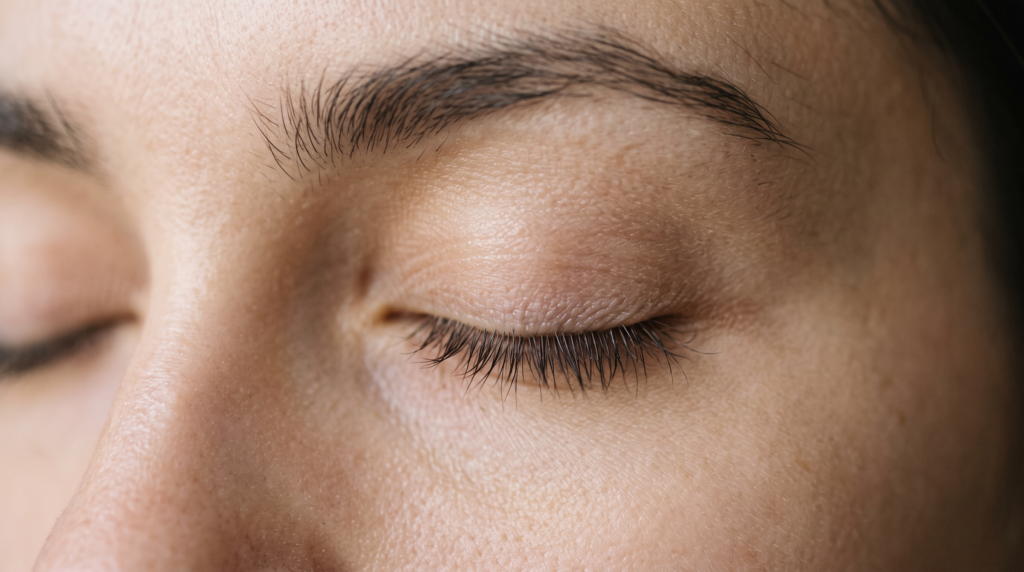
Dark, defined lashes without reaching for mascara every morning sounds like a small luxury, and lash tinting is sold as exactly that: a short salon visit that colours your lashes for several weeks. The catch is where the dye goes. It is applied a few millimetres from the eye, on some of the most delicate skin on the body.
That placement is why eye-care groups and regulators treat lash dye differently from, say, a face mask or a lipstick. A reaction that would be an annoying rash on your forearm can become a swollen, painful, watering eye on your eyelid.
This guide walks through what lash tinting is, what the US Food and Drug Administration (FDA) actually says about it, what published case reports describe, who should think twice, and what you can ask a salon before you book. It is general information, not a substitute for advice from a licensed clinician.
Key Takeaways
- Lash tinting uses a dye on the lashes that fades over a few weeks. It is a cosmetic service, not a treatment for thin or sparse lashes.
- The FDA warns that permanent lash and brow tints and dyes have been known to cause serious eye injuries, including blindness.
- The FDA lists one narrow exception: a silver nitrate gel for professional use only, with strict limits, and not for sale to consumers.
- Published case reports link lash dyes, especially those containing p-phenylenediamine (PPD), to swollen lids, rashes and eye-surface inflammation.
- A past trouble-free tint does not guarantee the next one will be safe, because allergies can develop with repeat exposure.
- If you have a history of hair-dye or black henna reactions, an eye infection or inflamed lids, skip tinting and ask an eye doctor first.
- Mascara, a well-chosen lash lift, or simply good lash habits are lower-risk ways to get a darker, fuller look.
What is eyelash tinting?
Eyelash tinting is a cosmetic service in which dye is brushed onto the lashes to make them look darker and thicker. The American Academy of Ophthalmology describes the colour as lasting roughly three to six weeks. Some salons offer it alone; others bundle it with a lash lift, a procedure that uses chemical lotions to curl the lashes. For background on safe eye-makeup habits in general, see the eye cosmetic safety guidance that the FDA publishes for consumers.
Tinting is different from mascara in one important way. Mascara sits on the lash surface and washes off, while a tint is a dye designed to stay on the hair for weeks. That staying power is exactly what makes the ingredients and the application method matter.
What does the FDA actually say about lash dye?
The FDA’s consumer page on eye cosmetics is direct. It states that permanent eyelash and eyebrow tints and dyes have been known to cause serious eye injuries, including blindness. Its safety checklist also tells people to avoid colour additives that are not approved for use around the eye, and it names “permanent” eyelash tints as an example.
The details are worth reading carefully, because older articles often repeat a simpler claim that no colour additive at all is approved for lashes. The current FDA page is more specific:
- One narrow exception exists. The agency has provided for silver nitrate as a colour additive to colour eyebrows and eyelashes, but only in professional-use cosmetics.
- Strict limits apply. Use is restricted to a viscous gel with up to 4 percent silver nitrate by weight, not for anyone under 16, and not for application longer than one minute.
- Not for consumers. Those products are not for distribution or direct sale to consumers.
- Coal tar dyes are targeted. The FDA has an import alert in effect for eyelash and eyebrow dyes containing coal tar colours.
In plain terms, this means a home kit or salon product that describes itself as “FDA approved” for lash tinting deserves suspicion. The FDA’s own kohl guidance notes that false “FDA approved” labelling is one reason it detains certain imported eye products.
Who regulates the salon itself?
The FDA does not license salons. Press coverage of the topic has noted that this job falls to state and local authorities, whose rules differ. Some US state cosmetology boards have reportedly warned salons that tinting products can lead to citations. Outside the US, rules vary again, so a service that is routine in one country may be restricted in another. If you are unsure, your local licensing board or health authority is the right place to ask.
Why can dye near the eye cause problems?
There are three broad ways a lash tint can go wrong. They overlap, and more than one can happen at once.
1. Allergic reactions
Many dyes contain chemicals that can trigger allergic contact dermatitis, an immune reaction that shows up as redness, swelling, itching or blistering. The best-known culprit in hair and lash dyes is p-phenylenediamine, usually shortened to PPD. An optometry report on cosmetic eye enhancements lists PPD in tinting products among the causes of allergic conjunctivitis and contact dermatitis.
Allergy is unpredictable. The American Academy of Ophthalmology has noted that people can develop sensitivities with repeated exposure, so tolerating a dye once does not guarantee you will tolerate it again. If you have ever reacted to a lash product before, our guide to lash serum allergy explains how eyelid allergic reactions typically look and when to get them checked.
2. Chemical irritation
Even without a true allergy, tint and developer solutions can sting the eyelid skin or the surface of the eye. If dye or developer gets into the eye, it can cause redness, tearing and discomfort. Eye-care writers describe more serious exposures as capable of damaging the cornea, the clear front window of the eye.
3. Infection and contamination
Anything that touches the lash line can carry bacteria if tools are not clean. The FDA warns that eye cosmetics and applicators can harbour germs, and that scratches near the eye can lead to infection. A clean, single-use setup matters just as much for a salon as it does for your own mascara. Our article on how often to replace mascara covers the same contamination logic for products you use at home.
What do published case reports show?
Case reports are individual stories published by doctors. They cannot tell us how common a reaction is, but they show what can happen. A few examples from the medical literature:
- Swelling around both eyes. A 2024 case report described a 21-year-old woman who went to the emergency department three days after a beauty-centre application of permanent lash dye whose leaflet listed PPD. She had swelling and redness around both eyes and a blistering rash, which was at first mistaken for a herpes lesion. Her symptoms eased over about two weeks with treatment, and the authors advised people with earlier reactions to PPD dyes to use PPD-free products.
- Eye-surface inflammation. A report in the journal Eye described a man who developed swollen, itchy, watering eyes the day after his lashes were coloured by a hairdresser. He had inflamed lids and conjunctival swelling, and a patch test pointed to a PPD-related dye as the cause.
- Several allergens at once. A British Journal of Dermatology conference abstract described a young woman with marked eyelid redness and swelling within 24 hours of a lash lift and tint. Patch testing suggested sensitisation to PPD from the tint, a thioglycolate from the lift solution and acrylate compounds linked to adhesive and laminating products.
- Lash loss. A 2006 case report in Contact Dermatitis described loss of eyelashes after use of a tinting mascara containing PPD.
The common thread is that reactions often appear within a day or two and can be mistaken for something else. If your lids swell after any lash service, treat it as a medical question, not a cosmetic one.
Does a patch test make tinting safe?
A patch test, where a small amount of dye is placed on the skin to watch for a reaction, is a sensible precaution that responsible salons use. It is not a guarantee. The skin of the inner arm or behind the ear is not the same as the thin skin of the eyelid, and a test only checks for allergy, not for irritation if dye reaches the eye. Dermatologists quoted in press coverage have also pointed out that even a dye that regulators approved could still cause infections or allergic reactions. A patch test lowers risk; it does not remove it.
Who should skip lash tinting?
The following situations call for caution, and for a conversation with an eye doctor or dermatologist before any dye goes near your lashes:
- You have ever reacted to hair dye, black henna temporary tattoos, or a previous lash or brow tint.
- You have an eye infection, red or irritated eyes, or inflamed eyelids. The FDA advises avoiding eye cosmetics until the area has healed. Conditions such as eyelid inflammation also make the lid margin more reactive.
- You have very sensitive skin, eczema around the eyes, or a history of contact allergies.
- You are under 16. The FDA’s silver nitrate limits specifically exclude that age group.
- You wear contact lenses and often have dry or irritated eyes. Check with your eye-care professional first.
- You are pregnant or nursing and unsure about chemical exposure. Ask your own doctor.
Questions to ask before you book
If you decide to go ahead, a good salon should be comfortable answering questions. These are worth asking up front:
- Which product do you use, and can I see the full ingredient list? Is PPD listed?
- Is the product made for use on lashes, rather than a general hair dye?
- Do you offer a patch test at least a day or two before the appointment?
- How do you protect my eyes and lids during the service, and what do you do if dye gets in my eye?
- Are your tools single-use or properly disinfected?
- Are you licensed for this service where we are located?
Be wary of anyone who claims their tint is “FDA approved”, promises zero risk, or declines to name the product.
What should you do if you react?
Stop the service if you feel burning or stinging. Based on the FDA’s general guidance for eye cosmetics, stop using the product, and contact a healthcare provider if you have a bad reaction. Eye-care sources add that dye in the eye should be flushed out with water, and that persistent pain, redness, swelling or any change in vision needs prompt medical care.
The FDA also encourages consumers to report adverse reactions to cosmetics. If a swollen lid looks more like a tender bump than a general swelling, our comparison of a stye versus chalazion can help you understand other common causes, but it is not a substitute for being examined.
Gentler ways to get darker, fuller-looking lashes
If the risk-versus-reward balance of a tint does not feel right, there are lower-risk options. None of these are risk-free either, but they avoid a long-lasting dye on the lash line.
- Mascara used well. Choose fresh, eye-safe products, never share them, and discard them on schedule. Then take it off properly; our guide to how to remove makeup from lashes gently covers the technique.
- A lash lift without tint. A lift can make lashes look longer and darker by exposing more of each lash. It still involves chemicals and adhesive, so read our piece on combining a lash lift with serum before you book.
- Gentle curling habits. If you curl, do it carefully; see our notes on whether eyelash curlers can damage lashes.
- Extensions, with caution. They carry their own adhesive risks. The FDA classes false lashes, extensions and their adhesives as cosmetics and asks people to check the ingredients, since an allergic reaction around the eye can be especially troublesome. Our article on lashes after lash extensions covers aftercare.
Frequently asked questions
Is eyelash tinting FDA approved?
Not in a general sense. The FDA warns against permanent lash and brow dyes, and its only listed exception is a professional-use silver nitrate gel with strict limits that is not sold to consumers. Be sceptical of any product claiming FDA approval for lash dye.
How long does a lash tint last?
The American Academy of Ophthalmology describes the colour as lasting roughly three to six weeks. That varies with your lash growth cycle, your skin and your routine.
Can lash tint cause blindness?
The FDA states that permanent lash and brow dyes have been known to cause serious eye injuries, including blindness. That does not mean every tint is dangerous or that serious harm is common, but it is the reason the agency advises against them.
Can I use hair dye on my eyelashes at home?
This is not advisable. Hair dye is not made or approved for use near the eye, and reports of dermatitis and eye-surface inflammation involve dyes applied to the lashes. If you want colour, talk to an eye-care professional first.
Is a semi-permanent or vegetable-based tint safer?
Salons often describe their products this way, but the label alone does not tell you about safety. Even a gentle-sounding product can cause an allergic reaction in a sensitive person, so ask for the full ingredient list instead of relying on marketing terms.
Can lash tinting be combined with a lash serum?
Both involve products near the lash line, and either can irritate. If you use a serum and notice stinging, redness or puffy lids, read our guide to lash serum irritation and speak with your clinician before adding another product.
When to see a clinician
Contact a licensed eye doctor or healthcare provider promptly for pain in the eye, blurred vision, light sensitivity, swelling that spreads, blistering, a discharge, or any reaction that does not settle within a day or two. Bimatoprost, the drug used in some prescription lash treatments, is a prescription medicine in the US, and it should not be mixed with new cosmetic procedures without medical advice. For any concern about your eyes or eyelids, a clinician who can examine you is better placed to help than any article.
Sources
- US Food and Drug Administration, “Eye Cosmetic Safety” (consumer page, content current as of June 2022).
- American Academy of Ophthalmology, “Know the Risks of Eyebrow and Eyelash Enhancement” (December 2019).
- Akdur O, Akdur G, Bardakci O, Das M. “Allergic contact dermatitis and periorbital oedema after permanent eyelash dye.” Acta Marisiensis – Seria Medica, 2024;70(4):270-272.
- “Chloro-PPD dye and blepharoconjunctivitis after eyelash colouring,” case report, Eye (Nature Publishing Group).
- Hamilton Hunter A, Soriano LF. “The eyes have it: lash lift dermatitis due to triple cosmetic allergen sensitization,” British Journal of Dermatology conference abstract (CD19).
- “Loss of eyelashes after use of a tinting mascara containing PPD,” Contact Dermatitis, 2006;54(3):169-170 (PubMed record).
- Optometric Management, October 2025, report on the American Academy of Optometry presentation “Cosmetic Eye Enhancements: The New CEE.”
- Today, “Are eyebrow and eyelash tinting safe? What you need to know now” (2016).