Eyelash Extension Glue Allergy: Signs, Causes, and What to Do Next
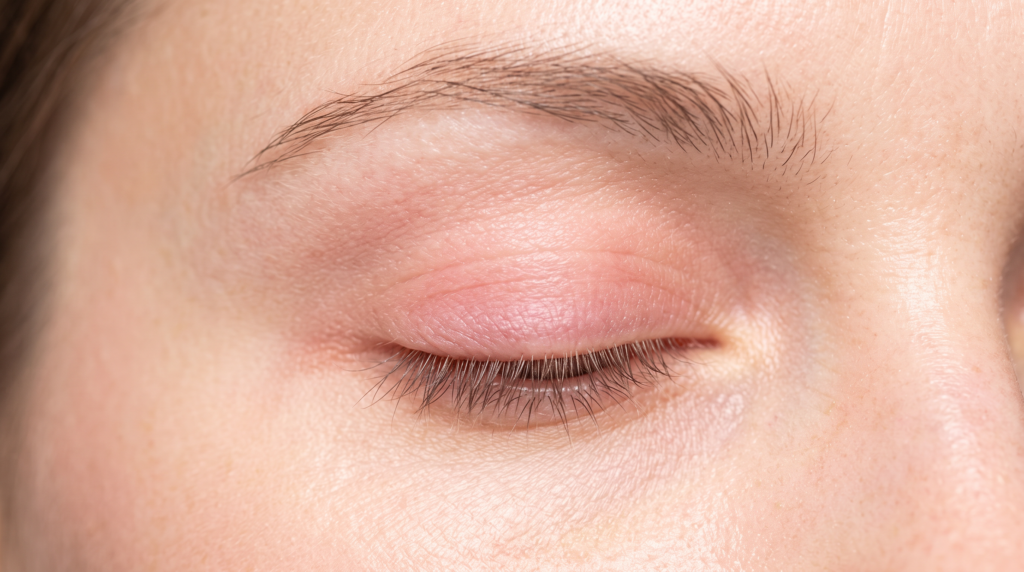
Few things are more alarming than waking up a day or two after a fresh set of lash extensions with eyelids that are itchy, puffy and pink. Many people assume right away that they have become allergic to the glue, and some have. But not every post-appointment reaction is an allergy, and telling the difference changes what you should do next.
This guide covers what an adhesive reaction can look like, what else can mimic it, what the published research reports, and when to stop waiting and have your eyes examined. It is general information, not a diagnosis. If you are also worried about regrowth, our guide to lashes after extensions covers what happens to your natural lashes once the extensions come off.
The FDA treats false eyelashes, eyelash extensions and their adhesives as cosmetic products, which must meet cosmetic safety and labeling requirements. It also points out that the eyelids are delicate, so an allergic reaction, irritation or injury in the eye area can be especially troublesome.
One frequently cited clinical series is a Tokyo study of 107 patients who sought care for problems linked to extensions. Glue or removing agents had caused keratoconjunctivitis in 64 of them, and glue had caused allergic blepharitis in 42 (four patients had both). Because it describes people who ended up in an eye clinic, it shows what can go wrong, not how often it happens among everyone who wears extensions.
Key Takeaways
- An adhesive allergy is usually a delayed reaction: itching, redness and swelling can appear hours or days after the appointment, not during it.
- Burning or stinging without much itching or swelling may point to irritation rather than allergy, but only an examination can sort that out.
- Glue is the usual suspect, yet eyelid tape, under-eye pads, primers, removers and pigments can also cause trouble, so note every product used.
- Eye-care groups advise against removing extensions or treating a reaction yourself. See an eye doctor, especially with pain, discharge or any change in vision.
- A reaction can appear even after years of trouble-free sets.
- A skin spot test helps but is not a guarantee, and people with eyelid inflammation or eye allergies are advised to think twice about extensions.
What does an allergic reaction to lash extensions look like?
The typical adhesive allergy is a delayed, immune-mediated skin reaction called allergic contact dermatitis. The American Academy of Ophthalmology’s EyeWiki notes that symptoms may not start until hours or days after the extensions go on. The AAO says an allergic reaction can bring pain, itching, redness and swelling, and may even temporarily interfere with vision.
People commonly describe a pattern like this:
- Itchy, red or swollen eyelids
- Bumpy, flaky or scaly skin along the lash line
- Watery, red or gritty-feeling eyes
- Heavy-feeling lids, a complaint that appeared often in surveys of extension wearers
Lash-industry educators often say reactions appear within about 72 hours and tend to repeat with each new set. That is a trade observation rather than a clinical rule, so treat the timing as a rough guide.
Is it an allergy or irritation?
The two can look alike. An allergy usually means avoiding that product in future, while irritation may be a one-off linked to fumes or technique. Lash-trade educators draw the line roughly as below, but a clinician makes the real call.
Signs that lean toward allergy
- Intense itching with a bumpy or blistering rash
- Swelling that builds over a day or two
- A rash that spreads slightly beyond the glue line
- The same reaction after each application
Signs that lean toward irritation
- Burning or stinging during or soon after the appointment, with little itching or swelling
- Red, watery eyes that settle once fumes clear
- A reaction tied to a cleanser or primer rather than the glue
Eyelid conditions such as blepharitis, dry eye and infection can mimic both patterns, which is another reason not to self-diagnose.
What in the lash appointment can trigger a reaction?
The glue gets blamed first, often rightly. But a full appointment puts several products near the eye.
Cyanoacrylate adhesive
Most extension glues are built on cyanoacrylate, a fast-bonding adhesive. Dermatology case reports describe allergic contact dermatitis from cyanoacrylate-containing eyelash glue. In one Japanese report, a woman’s patch tests were positive to the glue and to ethyl cyanoacrylate, its main ingredient. She was told to avoid it and showed no recurrence over 15 months of follow-up.
The formaldehyde question
Sources disagree here. The Tokyo study reported that all the glues it analyzed contained formaldehyde, and EyeWiki says formaldehyde in the glue is believed to contribute to reactions. Some lash-industry educators counter that formaldehyde is not an added ingredient and that reactions come mainly from glue touching skin rather than from fumes. Either way, the practical step is the same: ask to see the ingredient list, and treat a “formaldehyde-free” label as a manufacturer claim, not a guarantee.
Latex, pigments, tapes and pads
Technicians cite latex and the carbon black pigment that makes glue dark as other possible allergens, and some offer clear, pigment-free adhesive for clients who react to black glue. The tapes and pads used to hold the lower lashes out of the way can also cause trouble: in the Tokyo series, eyelid-fixing tape caused conjunctival erosion in three patients and allergic blepharitis in one.
Primers, cleansers and removers
The same study linked keratoconjunctivitis to glue or removing agents getting into the eye. Lash-trade guides note that alcohol-heavy or high-pH preparation products can irritate even people who are not allergic, which is why a written record of every product used helps your clinician.
How common are these reactions?
Nobody can give a precise rate, because most data come from case reports, clinic series and surveys. A 2019 literature review of ocular cosmetic enhancements found allergic blepharitis was the most common complication reported with extensions (79%). It also tallied cases of keratoconjunctivitis, conjunctival erosion, contact dermatitis and one bacterial keratitis. The review noted that millions of procedures are performed each year without adverse effects, while published complication reports keep rising.
It also cited a survey of females aged 10 to 39 in which 73.3% reported some ocular side effect after extensions, including itching (45.8%), redness (45.5%), pain (43.9%) and heavy eyelids (41.6%). Those figures describe symptoms people reported, not confirmed allergies.
Why can a reaction appear after years of trouble-free lashes?
Allergic contact dermatitis is a learned response: the immune system needs exposure to build sensitivity, so early sets may feel fine. An allergy-clinic overview notes that sensitization to cyanoacrylate can develop at any time, even after years of use. Lash-trade educators add that more frequent and prolonged skin contact makes a reaction likelier. A systematic review also found that hairdressers and beauticians have a higher risk of contact allergy to an acrylate called HEMA used in some cosmetic glues, though results for ethyl cyanoacrylate were lacking.
What should you do if you think you are reacting?
- Do not pull the extensions off yourself. The AAO advises against removing them or treating the reaction on your own, because doing it wrong can harm the eyes or prolong symptoms.
- Stop adding products. The FDA says to stop using any eye cosmetic that causes irritation and to see a doctor if it persists. It is reasonable to hold off on new serums, oils and makeup near the lash line.
- Write down what was used. Ask the technician for the adhesive brand and ingredient list, plus the primer, tape, pads and remover. Photograph your lids each day.
- Get examined. The AAO says anyone with an infection, allergic reaction or other irritation from extensions should see an ophthalmologist. Do not wait if you have eye pain, discharge, light sensitivity, a change in vision, or swelling that keeps spreading.
- Report it. The FDA encourages people to report bad reactions to cosmetics and to contact their healthcare provider first.
Can a patch test protect you?
Some regulators and eye specialists recommend one. California’s barbering and cosmetology board suggests asking the technician for a patch test, in which a small amount of adhesive goes on the skin and is checked after 24 hours. An AAO spokesperson interviewed by Healio likewise suggested spot testing the glue on a hidden area such as the forearm.
It is a sensible precaution with limits. Delayed reactions can take a day or more to appear, and some trade educators describe them showing up 48 to 96 hours after exposure, so a short window can miss them. Forearm skin also differs from eyelid skin. After a reaction, a dermatologist can do formal patch testing with the actual products, as in the Japanese case above.
Who should think twice about extensions?
EyeWiki advises that people with existing eye disease or a history of allergy avoid extensions and consider properly used mascara instead. California’s board adds that you should skip them if your eye or eyelid is irritated, inflamed or infected, if you have open wounds nearby, or if you are allergic to latex or any adhesive ingredient.
The same caution applies to other salon eye services. The FDA warns that permanent eyelash and eyebrow tints and dyes have been known to cause serious eye injuries, including blindness, which we cover in our lash tinting guide. If you are weighing lash lifts after a reaction, ask an eye doctor first.
How can you lower the risk if you still want extensions?
- Choose a licensed technician who washes hands and keeps tools clean, as the AAO advises.
- Ask which adhesive will be used and read its ingredients before the appointment.
- Insist on lash adhesive, never nail glue. California’s board lists nail glue as a reason to leave.
- Ask that glue stay off the eyelid. Applied properly, neither the extension nor the glue should touch the lid.
- Keep your face dry for the first hours, since EyeWiki notes glue can take up to six hours to solidify fully.
- Do not rub, tug or pull the extensions; the AAO notes this can fracture natural lashes.
- Cleanse gently with eye-area products; our notes on makeup removal cover the basics.
- Stop and seek help at the first sign of burning, swelling or pain.
What if you also use a lash serum?
Many people use extensions and serums at different times, which complicates the detective work. If you started a new serum around the time of your reaction, tell your clinician, because the lids can react to more than one product. Our lash serum allergy guide explains how serum reactions differ, and the comparison of serum versus extensions sets out how the two approaches work. If you do combine them, serum with extensions covers practical points.
Frequently Asked Questions
Can I suddenly become allergic to lash extensions?
Yes. Sensitization can build with repeated exposure, so a reaction is possible even after years of trouble-free sets. A clinician can help confirm the cause.
How long does an extension allergy last?
The sources reviewed give no single timeline. One trade guide says the rash can last several days even after the product is removed, and the Japanese case report followed a patient for 15 months with no recurrence after avoiding the glue. Treatment decisions belong to your doctor, not to home remedies.
Is hypoallergenic or formaldehyde-free glue safe for me?
Not necessarily. A consumer-advocacy review points out that “hypoallergenic” is an unregulated term that does not mean allergen-free. If testing points to cyanoacrylate itself, another brand built on the same chemistry may not help, so ask your doctor.
Is mascara a safer choice?
EyeWiki suggests properly used mascara as an alternative for people with eye disease or allergy history. The FDA’s advice still applies: do not share it, do not add saliva or water, replace it on the schedule manufacturers recommend, and stop using anything that irritates.
Can lash extensions cause lash loss?
The AAO lists temporary or permanent loss of eyelashes among the risks, and EyeWiki lists traction alopecia, hair loss from repeated pulling on the follicle.
Should I see the technician or a doctor first?
Your technician can supply product details, but with pain, discharge, vision changes or spreading swelling, see an eye doctor first.
When to talk to a licensed clinician
Eye and eyelid problems are not something to manage from an article. If you have pain, worsening redness, discharge, light sensitivity, vision changes or swelling that does not settle, contact a licensed eye-care professional promptly, and mention every product you have used, including any lash serum.
Sources
- U.S. Food and Drug Administration, “Eye Cosmetic Safety” (consumer guidance on eye cosmetics, false eyelashes, extensions and dyes).
- Amano Y, Sugimoto Y, Sugita M. “Ocular disorders due to eyelash extensions.” Cornea, 2012;31:121-125.
- “Eyelid Cosmetic Enhancements and Their Associated Ocular Adverse Effects.” Medical Hypothesis, Discovery and Innovation in Ophthalmology, 2019;8(2):96-103.
- American Academy of Ophthalmology, “Eyelash Extension Facts and Safety” (EyeSmart) and its 2013 news release on extension risks.
- EyeWiki (American Academy of Ophthalmology), “Eyelash Extensions.”
- California Board of Barbering and Cosmetology, eyelash extension safety tips.
- Journal of Environmental Dermatology and Cutaneous Allergology, case report of contact dermatitis caused by eyelash extension glue, 2017.
- Healio interview with Purnima S. Patel, MD, on extension risks, February 2020.
- Allergy-clinic overview of cyanoacrylate allergy versus true eye allergies, March 2026.
- Contact Dermatitis, 2022 systematic review on acrylates in cosmetic glues among hairdressers and beauticians.
- Lash-industry educator pages (Lash Jungle, Lash Tavern, Sense Lashes), cited only for trade observations and labeled as such above.