Menopause and Thinning Eyelashes: What Is Known, What Is Not, and What Else Could Be Going On
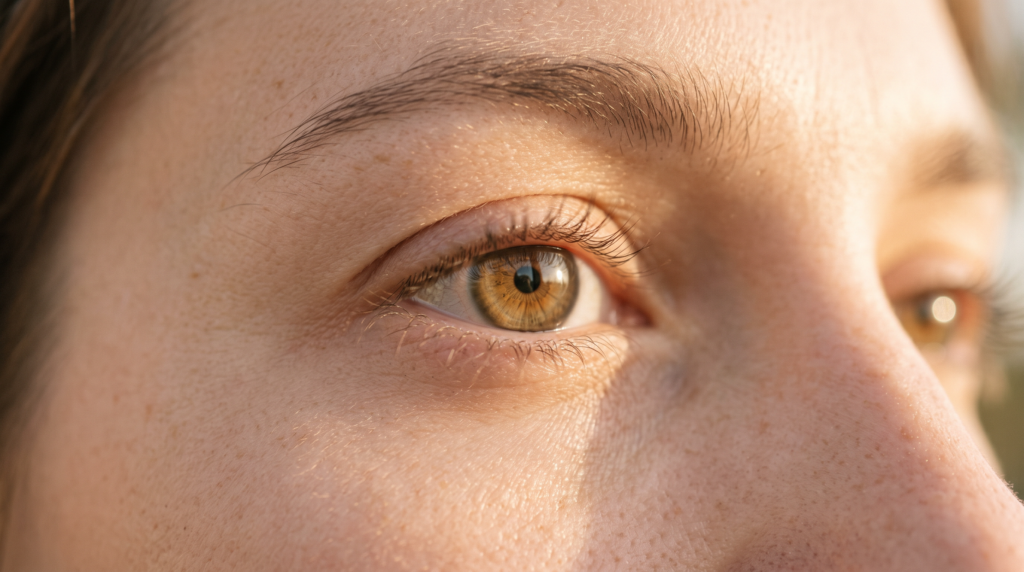
Many women in their 40s and 50s notice the same thing in the mirror: lashes that look shorter, lighter and less dense than they used to. Because hair thinning is a well-known part of the menopause transition, it is natural to wonder whether hormones are to blame for the lashes too.
The honest answer is “possibly, for some people, but the evidence is thinner than the confident claims online suggest.” Much of the lash-specific content comes from beauty brands, and the clinical literature on eyelash loss is small. This guide separates what is reasonably established from what is plausible but unproven.
It also covers the other causes that become more common around the same stage of life, including thyroid trouble and eyelid inflammation, because a few of them need medical treatment rather than a better mascara. This is general information, not a diagnosis.
Dermatology reviewers make a similar point. A 2023 review of eyebrow and eyelash loss describes the causes as varied, says the loss can be an isolated finding or the first sign of a body-wide condition, and calls an accurate diagnosis the first step in management.
Key Takeaways
- Falling estrogen is a well-recognized contributor to scalp hair thinning. Direct evidence that it thins eyelashes is much weaker.
- Sources disagree: some say menopause can thin lashes, while at least one menopause-care site says typical menopausal hair loss should not affect lashes or brows.
- Clinicians describe hormone-related thinning as gradual and even on both eyes. Patchy loss, redness, crusting or sudden change points elsewhere.
- Thyroid problems, eyelid inflammation, alopecia areata, harsh makeup habits and some medicines can all mimic “menopause lashes.”
- No lash product, hormone therapy or supplement is proven to fix menopause-related lash thinning based on the sources reviewed.
- Sudden, patchy or one-sided loss, or loss with eyebrow loss, pain or fatigue, deserves a clinician visit.
What does the evidence actually say about menopause and lashes?
It helps to sort the claims by how solid they are.
The firmer ground: scalp hair
Hair follicles are sensitive to estrogen, and menopause-related scalp thinning is well documented. A 2022 study in the journal Menopause, as summarized by a menopause-care service, reported female pattern hair loss in 52.2% of healthy postmenopausal women. That figure describes scalp hair, not lashes, so it should not be stretched to cover the eyelids.
The plausible middle: lashes follow the same biology
A trichologist quoted in a November 2025 Hello! magazine article said falling estrogen and progesterone in perimenopause can shorten the lash growth cycle and weaken follicles, leading to thinning. That is an expert opinion offered in a lifestyle article, not a clinical trial. It is reasonable, but it is not proof.
The conflicting view
One menopause-care site states the opposite: that hair loss caused by menopause should not affect the eyebrows or eyelashes, and that any loss of either is a reason to see a doctor. Two sources, two conclusions. The gap suggests nobody has settled the question for lashes specifically.
The weakest claims
Some beauty-brand pages say menopause lowers a “growth hormone” called prostaglandin that feeds lash growth. I found no clinical support for that in the sources reviewed, so treat it as marketing language until a medical source confirms it.
The honest gap
A 2023 review in the Australasian Journal of Dermatology notes that there is little published literature on eyebrow and eyelash loss and limited guidance for clinicians compared with scalp hair loss. That scarcity is the main reason confident answers are hard to find.
How could hormones affect lash follicles?
Each lash cycles through a growth phase, a short transition and a resting phase before shedding, then a new one starts. Our guide to the growth cycle walks through the stages. Beauty-industry sources commonly put the active growth phase at roughly 30 to 45 days, and say most people shed a handful of lashes a day. Those are trade figures rather than clinical measurements.
If the growth phase gets shorter, each lash has less time to lengthen before it falls out. That is the mechanism the trichologist described, and it would produce lashes that look shorter and sparser without any single dramatic shedding event. Age itself can slow follicle activity too, which is why it is hard to separate “menopause” from “getting older.”
How can you tell hormonal thinning from something else?
There is no home test. Still, the quoted trichologist offers a useful rule of thumb: hormone-related lash loss tends to be gradual and symmetrical, while conditions such as blepharitis or alopecia may cause patchy loss, redness or irritation. Use the lists below as a prompt for the conversation with your clinician, not as a verdict.
Patterns that fit a gradual, hormone-type change
- Lashes thin slowly over months or years
- Both eyes look similar
- Lids look and feel normal, with no crusting, redness or itch
- Other midlife changes are happening at the same time
Patterns that suggest looking for another cause
- Bald patches or gaps in the lash line
- Loss that is worse on one side
- Crusty, itchy, red or greasy-looking lids
- Eyebrow loss, new scalp patches or skin changes
- Rapid loss over days or weeks
What else commonly thins lashes at midlife?
The clinical overview of eyelash diseases in StatPearls lists a long set of possible causes for madarosis, the medical term for lash or brow loss, and stresses that the underlying condition has to be diagnosed and treated. A few of the more relevant ones:
Thyroid problems
Thyroid disorders are common around the same time of life and can affect hair growth all over the body, including lashes. If you also feel unusually tired, cold or sluggish, or notice weight changes, read our overview of thyroid problems and lash loss and ask about a blood test.
Autoimmune patchy loss
Alopecia areata is an autoimmune cause of patchy hair loss. A review of eyebrow and eyelash alopecia cited a Danish study in which around 56% of people with the condition reported current lash loss, with lower figures in a Japanese cohort. Our page on alopecia areata explains what that can look like.
Eyelid inflammation
Chronic lid inflammation is listed among the recognized causes of lash problems. Crusting at the base of the lashes, itching, or a gritty feeling suggests blepharitis, which is treatable and easy to mistake for simple aging.
Everyday habits
The same trichologist pointed to extensions, harsh skincare and makeup wipes as common causes of thinning, and also named long-term waterproof mascara use. These do not replace hormones as a cause, but they can add to the effect and they are the easiest factors to change.
Medicines and less common conditions
Some medicines list hair thinning as a side effect, so ask your pharmacist or prescriber to check yours. StatPearls also lists less common medical causes, such as eczema, lupus and shingles near the eye. That variety is exactly why a persistent change deserves a proper look.
What can you do at home?
None of these is a cure, but they reduce avoidable stress on lashes that are already fragile.
- Remove makeup gently. Use a soft, patient approach rather than rubbing; our notes on gentle makeup removal cover the basics.
- Rethink waterproof formulas. Some lash professionals suggest tubing-style mascaras that lift off with warm water so you do not need friction.
- Skip pulling and heat. Avoid tugging at lashes or crimping them with a curler on already brittle lashes.
- Keep the lid margin clean. If your lids feel crusty, ask an eye doctor what cleaning routine fits you rather than guessing.
- Take photos. A monthly close-up in the same light shows whether thinning is progressing, which helps your clinician.
- Review your products. Note any new cleanser, serum or wipe that coincided with the change.
Do lash serums or hormone therapy help?
This is where claims run furthest ahead of evidence. The sources reviewed for this article did not include menopause-specific trials of lash serums or of hormone therapy for lashes, so no honest source can promise a result.
On the serum side, remember that prescription bimatoprost is a regulated drug in the US with a documented side-effect profile, while cosmetic serums make manufacturer claims that are not the same thing as clinical proof. Do not assume that a product aimed at general lash thinning has been tested in menopausal women.
Some menopause-care sites say hormone replacement therapy may help hair thinning in some women. Those statements concern scalp hair, and hormone therapy has risks and benefits that depend on your health history. Whether to use it is a conversation for a clinician, not a lash-care decision.
When should you see a doctor?
Consider a visit with an eye doctor, GP or dermatologist if you notice any of the following:
- Sudden loss over days or weeks
- Patchy or one-sided loss
- Eyebrow loss or new patches elsewhere
- Red, crusty, swollen, painful or itchy eyelids
- Lashes turning in toward the eye, or eye irritation
- Fatigue, weight change, or skin and hair changes elsewhere
- Distress about the change that is affecting your day-to-day life
Frequently Asked Questions
Does menopause cause eyelash loss?
It may contribute for some people, and several clinicians and consumer sources say so. But the evidence is limited and at least one menopause-care site disagrees, so a sudden or patchy change should be checked rather than assumed to be hormonal.
Will my lashes grow back after menopause?
It depends on the cause. Sources describe regrowth when a treatable cause such as an eyelid problem or thyroid issue is addressed. I found no figures for lash regrowth specifically linked to menopause, though our overview of whether eyelashes grow back after 50 covers the general picture.
Can hormone replacement therapy thicken eyelashes?
No source I reviewed showed that. Some menopause services discuss it for scalp thinning. Ask your clinician about the risks and benefits for you.
Is it normal to lose a few lashes every day?
Yes. Beauty-industry sources commonly say one to five a day is typical because lashes continually cycle. Clumps, bald spots or a visible gap are different and worth checking.
Are eyebrows affected as well?
They can be. Brow thinning is often mentioned alongside lash thinning in midlife, and loss of both together is a reason to mention it to a clinician, since body-wide causes such as thyroid disease can affect both.
Can I use a lash serum while going through menopause?
Many people do, but check the label, patch test if the product advises it, and tell your doctor if you have an eye condition, take eye drops or are unsure what the serum contains.
When to talk to a licensed clinician
Eye and eyelid concerns should not be managed from an article. If you have pain, redness, discharge, vision changes, or lashes that are falling out quickly or in patches, see a licensed eye-care professional or doctor and bring a list of the products you use.
Sources
- Nguyen B, Hu JK, Tosti A. “Eyebrow and Eyelash Alopecia: A Clinical Review.” American Journal of Clinical Dermatology, 2023 (PubMed Central).
- “Acquired causes of eyebrow and eyelash loss: A review and approach to diagnosis and treatment.” Australasian Journal of Dermatology, 2023;64(1):28-40.
- “Diseases of the Eyelashes.” StatPearls, NCBI Bookshelf, National Library of Medicine.
- Hello! magazine, “I lost my lashes in perimenopause,” November 2025 (trichologist comments; expert opinion, not a clinical study).
- Evernow, “Hair Loss and Menopause” (summary of a 2022 study in Menopause on female pattern hair loss in postmenopausal women).
- Stella, menopause thinning hair guide (statement that menopausal hair loss should not affect lashes or brows).
- Beauty and lash-industry pages (Lashify, UKLASH, ProLash), cited only for trade observations and labeled as such above.