Pink Eye and Eye Makeup: What to Throw Away and When It Is Safe to Restart
You wake up with a red, gritty eye and lashes stuck together with crust. A week or so later the eye looks normal again, and you are standing in front of the mascara you used just before it started. Is it fine to keep using it? That question comes up constantly after conjunctivitis, better known as pink eye.
The sources reviewed for this guide give a cautious answer. Stop wearing eye makeup while the eye is infected, and replace the eye products you were using when the infection began. Below you will find why that advice exists, which products matter most, how long people are told to wait, and what to do about lash serum, lash extensions and applicator brushes.
This article is general information, not a diagnosis. Pink eye has several causes, and a few look-alike conditions need prompt treatment, so a painful or persistent red eye deserves a proper exam by a licensed clinician.
Key Takeaways
- The FDA advises against using eye cosmetics while you have an eye infection, and says to discard the eye cosmetics you were using when it started.
- An American Academy of Ophthalmology (AAO) clinician answer suggests waiting about two weeks before returning to makeup after bacterial pink eye treated with antibiotic drops, and throwing away old makeup.
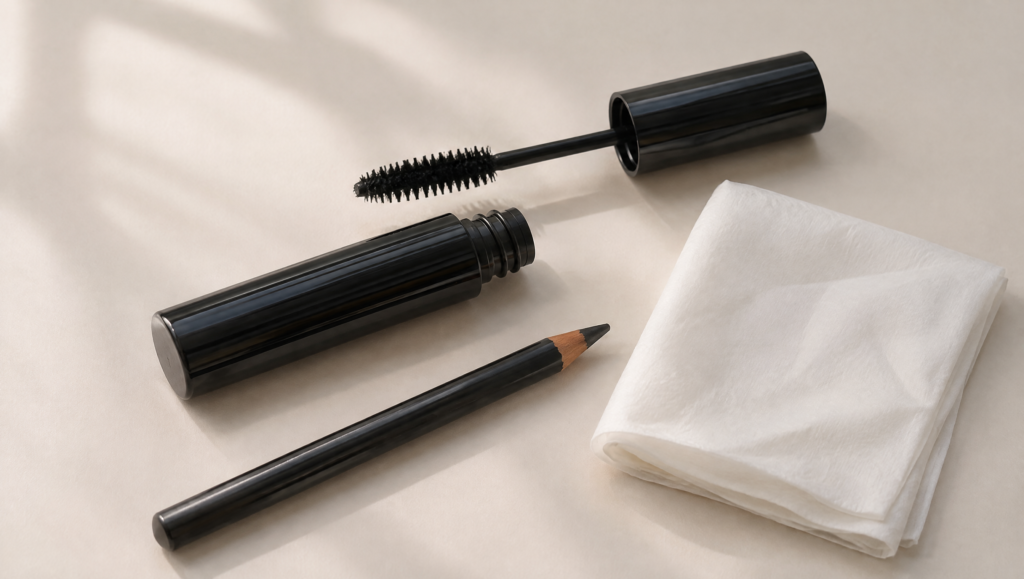
- Mascara and liquid liner are the highest-priority items to replace, because the wand goes back into the tube after touching your lashes.
- Prescription lash treatments carry label wording about new eye infections and conjunctivitis: ask your clinician before continuing.
- Do not share eye makeup, and do not use the same eye products on an infected eye and a healthy one.
- Eye pain, light sensitivity or blurred vision with a red eye means it is time to see a clinician.
What is pink eye, and why does makeup come into it?
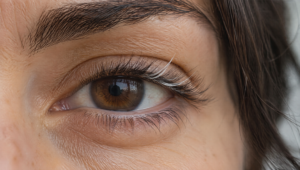
Pink eye is inflammation of the thin membrane covering the white of the eye and the inside of the eyelids. Viruses, bacteria, allergens and irritants such as chlorine or smoke can all cause it. Viral and bacterial types are contagious, while allergic and irritant types are not. Most mild cases improve without treatment, but it helps to know when pink eye needs a doctor, such as eye pain, light sensitivity or blurred vision that does not improve after you wipe away discharge.
Makeup enters the story because eye cosmetics touch the exact area where an infection lives. The FDA notes that eye cosmetics are usually safe when you buy them, but misuse can allow bacteria or fungi to grow in them, and a contaminated product can then cause an infection when applied near the eye. After an infection, a mascara wand or liner tip may carry the germs that caused it.
The CDC describes viral and bacterial pink eye as very contagious and spread through contact with eye discharge. That is why advice about makeup sits alongside advice about hand washing, towels and not touching your eyes.
Should you wear eye makeup while you have pink eye?
The consistent answer from the sources reviewed is no. The FDA says to avoid eye cosmetics if you have an eye infection and to wait if the skin around the eye is red or inflamed. A children’s hospital handout from Nationwide Children’s Hospital gives the same instruction: skip eye makeup until the eyes heal, then buy new products.
There are three practical reasons this advice makes sense:
- Contamination: every pass of a wand or pencil can leave infected material on the product.
- Irritation: already inflamed lids and a gritty eye are more likely to react to pigment and preservatives.
- Delayed healing: rubbing and wiping to remove makeup keeps you touching an eye you are trying to rest.
If you did not see a clinician and are not sure what is going on, treat a red, sticky or itchy eye as a reason to pause eye makeup anyway. You can always restart it. You cannot undo reinfecting yourself.
Which products should you throw away after pink eye?
Eye-care sources are fairly consistent on the principle, though they differ on how far to go. The FDA tells people to discard the eye cosmetics they were using when they got the infection. The AAO clinician answer quoted earlier goes further and says to throw away all old makeup after a conjunctivitis diagnosis. Here is how to sort your own bag.
Replace first: products with a wand or dipped applicator
- Mascara, including waterproof and tubing formulas
- Liquid or gel eyeliner
- Lash primers and brow gels that you brush near the lash line
These are the highest-risk items because the applicator touches the lashes and then returns to the container, where germs can sit. If you were already due to replace mascara on the usual three-month schedule, an infection is a clear signal to do it now.
Replace next: anything pressed against the lid or waterline
- Pencil eyeliners and kohl-style pencils
- Cream and powder eyeshadow, along with their sponge-tip applicators
- Eyelash curler pads and tweezers, if they touched the infected eye (these can often be washed, but pads are worth replacing)
Tools and brushes
Disposable spoolies, sponge applicators and mascara wands should simply go in the bin. For brushes you want to keep, a thorough wash is reasonable, but none of the sources reviewed describes a dependable way to disinfect mascara or liner at home, so replacing is the safer path.
What about face makeup?
Foundation, blush and powder are less clear-cut. If you applied them with fingers or brushes that also touched the infected eye area, treat them as suspect. If the answer is uncertain, replacing a low-cost item is a small price compared with a second round of infection.
How long should you wait before restarting eye makeup?
There is no single official number, because timing depends on the cause. The CDC says mild bacterial pink eye often improves in two to five days without treatment but can take up to two weeks to clear completely, while viral pink eye usually clears in seven to 14 days and sometimes takes two to three weeks or longer.
The AAO clinician answer cited earlier addressed a patient with bacterial conjunctivitis on topical antibiotic drops and suggested waiting two weeks to return to makeup, using new products. That is one clinician’s guidance for one scenario, so treat it as a useful reference point rather than a rule for everyone.
A cautious checklist before you open a new tube:
- The redness, tearing, discharge and crusting are gone in both eyes.
- Your eyes no longer feel gritty or itchy.
- Your clinician has said the infection is cleared, if you were treated.
- You are opening a new product, not the one you used while sick.
Pink eye often passes from one eye to the other, so waiting until both eyes have settled is wiser than restarting after the first eye improves. The CDC also says not to use the same eye products on an infected eye and a healthy one.
What about lash serum if you get pink eye?
Prescription bimatoprost products
The US prescribing information for Latisse (bimatoprost 0.03%) tells patients who develop a new eye condition such as trauma or infection, and particularly conjunctivitis or eyelid reactions, to seek their physician’s advice right away about continued use. The same label notes reports of bacterial keratitis with multiple-dose containers of ophthalmic products, instructs users not to let the bottle or applicator touch surrounding structures, and says to use a new sterile applicator each time and not to reuse applicators. If you use a bimatoprost product, call your prescriber before restarting it after an eye infection.
Cosmetic lash serums
Cosmetic lash serums are not held to a single label standard, so the wording varies by product. A sensible approach is to read your own label, pause the serum while the eye is red or inflamed, and ask your clinician when to restart. Discard any applicator brush that touched the infected eye. Our guide to lash serum safety covers the general precautions in more detail, including what to do if you notice irritation.
Contact lenses
The CDC says to stop wearing contact lenses until your eye doctor tells you it is okay. If you use a serum with lenses, see the notes on contact lenses and lash serum timing before you go back to your usual routine.
Lash extensions, tints and salon visits during pink eye
Salon services bring tools and adhesives close to the eye, so an active infection is a reason to reschedule. This follows the FDA advice to avoid eye cosmetics and to wait if the eyelid skin is inflamed. Tell your technician if you have had a recent infection, and ask how they sanitize tools between clients.
If you already wear extensions when symptoms start, ask your eye doctor how to keep the lids clean, because extensions can make careful cleaning harder. Our guide to lash extensions explains what happens to natural lashes over time.
Is it really pink eye? Look-alikes to rule out
A red, irritated eye after using makeup or lash products is not always an infection. Some causes that can look similar include:
- Allergic reaction: allergic pink eye is not contagious and tends to come with itching and swollen lids. A reaction to adhesive is one example, described in our post on lash extension glue allergy.
- Eyelid inflammation: crusty, red lid margins can be blepharitis rather than conjunctivitis.
- Eyelid bumps: a tender lump on the lid can be a stye or chalazion, which are managed differently.
- Irritants: smoke, chlorine or a product that stings can cause non-infectious redness.
- Scratches or foreign bodies: a wand poke to the eye can injure the cornea, and even a slight scratch can lead to a serious infection according to the FDA.
Because several of these look alike, an eye doctor is better placed than a search engine to tell them apart, especially if the problem keeps coming back.
Habits that lower the chance of reinfection
- Wash your hands before and after touching your eyes or applying anything near them.
- Avoid touching or rubbing your eyes, which can spread infection to the other eye.
- Use a clean towel and washcloth daily, and change pillowcases often during an infection.
- Never share eye makeup, brushes or applicators.
- Do not add saliva or water to moisten dried mascara, because the FDA warns this can introduce bacteria and weaken the preservative.
- Keep containers closed and away from heat, and discard any product that changes colour or smell.
- Remove makeup gently each night, as described in our guide to removing eye makeup without pulling at the lash line.
When should you see a doctor?
The CDC lists several reasons to seek care for pink eye, including eye pain, sensitivity to light or blurred vision that does not improve when discharge is wiped away, and a weakened immune system. Other warning signs from clinical sources include intense redness, symptoms that get worse or do not improve, and a history of eye conditions. A newborn with symptoms should be seen right away.
If you use a prescription lash treatment, or any eye medication, mention it to your clinician, along with any lash extensions or tints.
Frequently Asked Questions
Can I wear mascara if I have pink eye?
The FDA advises against using eye cosmetics if you have an eye infection, and a children’s hospital handout says to skip eye makeup until your eyes heal. Wait until the eye has fully cleared.
Do I really have to throw away my mascara after pink eye?
The FDA says to discard the eye cosmetics you were using when you got the infection, and an AAO clinician answer recommends throwing away old makeup after a conjunctivitis diagnosis. Mascara and liquid liner are the most important items to replace.
How long after pink eye can I wear eye makeup?
There is no single rule. Bacterial cases can take up to two weeks to clear and viral cases two to three weeks or more, according to the CDC. One AAO clinician answer suggested about two weeks after bacterial pink eye treated with antibiotic drops. Ask your own clinician, and wait until both eyes look and feel normal.
Can I keep using my lash serum if I get pink eye?
For prescription bimatoprost, the label says to seek a physician’s advice about continued use if you develop a new eye condition such as infection or conjunctivitis. For cosmetic serums, read your label, pause while the eye is inflamed and ask your clinician when to restart. Replace any applicator that touched the infected eye.
Can eye makeup cause pink eye?
The FDA says misused or contaminated eye cosmetics can lead to infection, and allergic reactions to products can also redden the eye. Stop using any product that irritates your eyes and see a doctor if the irritation persists.
Is it safe to share makeup if nobody has symptoms?
Both the FDA and the CDC advise against sharing eye makeup. The FDA notes that another person’s germs may be hazardous to you.
Medical note
This article is for general education and is not medical advice. If you have eye pain, vision changes, light sensitivity, severe redness or symptoms that are not improving, talk to a licensed clinician. Do not start, stop or restart any prescription eye product without asking the clinician who prescribed it.
Sources
- Centers for Disease Control and Prevention: Conjunctivitis (Pink Eye) treatment and prevention pages.
- US Food and Drug Administration: Eye Cosmetic Safety.
- US Food and Drug Administration consumer update: eye cosmetic safety tips.
- American Academy of Ophthalmology, Ask an Ophthalmologist: “After getting diagnosed with conjunctivitis, how long do I have to wait to wear new makeup?”
- Nationwide Children’s Hospital: Conjunctivitis (Pink Eye) patient handout.
- LATISSE (bimatoprost ophthalmic solution) 0.03% US Prescribing Information, AbbVie.