Why Eyelashes Fall Out and How to Fix It
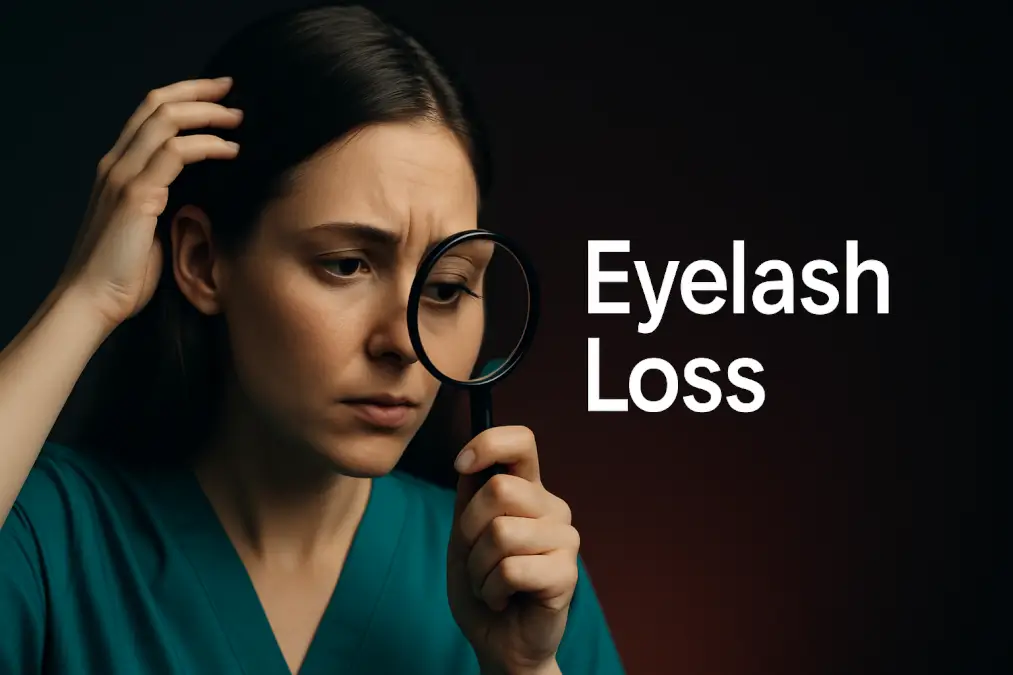
Understanding Eyelash Loss: Causes and Concerns
Eyelashes do much more than frame your eyes. They act as a protective barrier against dust, sweat, and other foreign particles. So, when you notice eyelash loss, it can feel concerning and even affect your confidence. But before jumping to conclusions, it’s important to understand what eyelash loss really means and why it happens.
Eyelash loss, or madarosis, can be a temporary or chronic condition depending on the underlying cause. It’s normal for us to shed eyelashes daily—just like the hair on our heads—but excessive loss requires attention. So, let’s explore the primary reasons behind eyelash loss and what steps you can take to address it.
Common Causes of Eyelash Loss
- Natural Shedding Cycle: Eyelashes have a growth cycle similar to scalp hair. They grow, rest, and shed. Losing a few lashes regularly is part of this cycle and usually nothing to worry about.
- Excessive Makeup Use: Frequent use of mascara, eyelash curlers, or heavy eye makeup can weaken your lashes. Not properly removing makeup at night can also lead to irritation and breakage, so preventing lash damage starts with a gentle nightly routine.
- Allergic Reactions: Some eye cosmetics or skincare products contain ingredients that cause irritation or allergies. This can lead to inflammation and eyelash loss, and understanding lash serum allergic reactions can help you spot the signs early.
- Medical Conditions: Conditions such as blepharitis (eyelid inflammation), alopecia areata, thyroid disorders, or certain infections can cause lashes to fall out.
- Stress and Hormonal Changes: High stress levels or hormonal imbalances, particularly during pregnancy or menopause, can impact lash growth cycles.
- Nutritional Deficiencies: Lack of essential nutrients like vitamins A, C, E, and biotin can affect hair health, including eyelashes.
- Physical Trauma: Rubbing your eyes frequently, pulling eyelashes, or eyelash extensions done improperly can damage lash follicles. Reading about lash growth after extensions can help you know what recovery to expect.
When to See a Doctor About Eyelash Loss
While mild eyelash loss is often harmless, persistent or patchy loss might indicate an underlying health concern. If you notice redness, swelling, pain, or if the eyelash loss is accompanied by other symptoms like hair loss elsewhere, it’s best to consult a healthcare professional or dermatologist. They can provide an accurate diagnosis and recommend appropriate treatments.
Effective Ways to Fix and Prevent Eyelash Loss
Fortunately, many cases of eyelash loss can be managed or reversed with proper care, a point supported by this ophthalmology resource. Here’s what you can do to promote lash health and reduce loss:
1. Maintain Proper Eye Hygiene
Always remove eye makeup gently at the end of the day using a mild makeup remover or cleansing oil. Avoid harsh rubbing, and clean your eyelids regularly to prevent infections like blepharitis. Following a weekly lash care routine makes this hygiene habit easier to sustain.
2. Choose Lash-Friendly Products
Look for hypoallergenic, ophthalmologist-tested mascaras and removers. If you suspect an allergic reaction, discontinue the use of suspect products and monitor for improvement.
3. Avoid Mechanical Damage
Limit the use of eyelash curlers and avoid pulling or rubbing your lashes. If you use eyelash extensions, ensure they are applied by a certified professional, and give your natural lashes time to breathe between applications.
4. Nourish from Within
A well-balanced diet rich in vitamins and minerals supports healthy lash growth. Supplements containing biotin, vitamin E, and omega-3 fatty acids may be helpful, but it’s best to consult your doctor before starting any new regimen. A closer look at vitamins for lash growth can help guide that conversation.
5. Address Medical Conditions Promptly
If an underlying health issue is causing eyelash loss, following your healthcare provider’s treatment plan is essential. Conditions like blepharitis may require medicated ointments or antibiotics.
6. Use Lash Serums Carefully
There are various eyelash growth serums available that claim to enhance lash thickness and growth. Select products with proven safety profiles and avoid those with harmful ingredients. If a product stops giving results, it helps to understand why a serum stops working before switching formulas. Again, consulting a dermatologist before use is wise.
Preventive Tips for Healthy Eyelashes
- Be gentle when washing your face and avoid harsh exfoliants around the eyes.
- Keep your stress in check through relaxation techniques like meditation or yoga.
- Avoid smoking, as it can impair hair health.
- Protect your eyes from excessive sun exposure by wearing sunglasses.
- Stay hydrated to maintain skin and hair vitality.
Final Thoughts on Eyelash Loss
Experiencing eyelash loss can be worrisome, but with the right knowledge and care, it’s often manageable. The key lies in understanding the possible causes and making informed choices regarding eye care and overall health. Remember, if your eyelashes are falling out excessively or you notice other troubling symptoms, seek medical advice instead of self-treating.
By adopting gentle habits and addressing any health issues early, you can support your eyelashes’ natural growth cycle and keep them looking their best. This same approach applies to fixing patchy eyelashes caused by uneven shedding. After all, your eyelashes don’t just beautify your eyes—they protect them. Treat them with the attention they deserve.