
Understanding Lash Serum Overuse: Side Effects and Safe Usage Tips
Introduction to Lash Serum Overuse
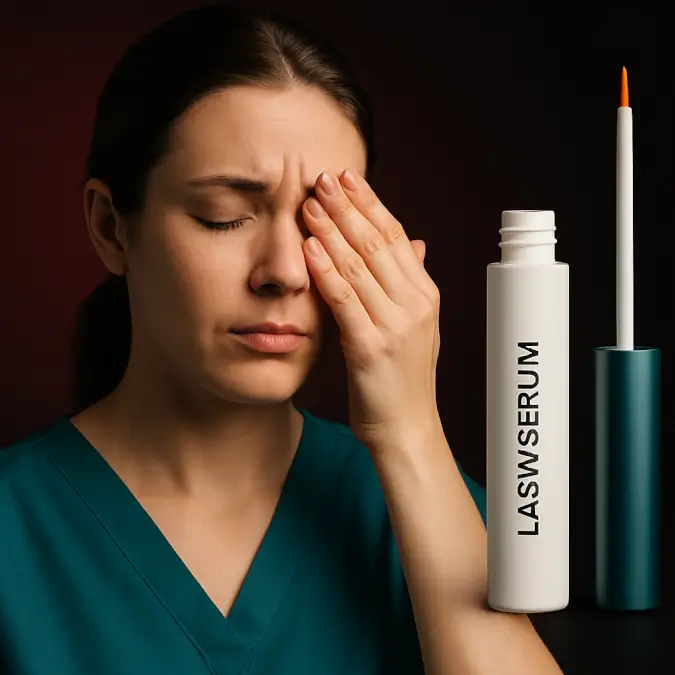
Lash serums have become a popular beauty product for those looking to enhance the length and fullness of their eyelashes. While these products offer noticeable benefits, it’s important to understand that lash serum overuse can lead to unwanted side effects. Many users, eager to achieve quick results, apply lash serum more frequently or excessively, which can cause various issues. This article explores the potential side effects of lash serum overuse and offers guidance on safe and effective application.
What Is Lash Serum Overuse?
Before diving into the side effects, let’s clarify what constitutes lash serum overuse. Lash serum overuse happens when the product is applied more often than recommended or in larger amounts, exceeding the instructions on the packaging or professional advice. Typically, lash serums are intended for once-daily application, often at night. Using these serums multiple times a day or applying thick layers can stress the delicate skin around the eyes.
Why Do People Overuse Lash Serum?
- Desire for Faster Results: Users may believe that applying the serum multiple times daily accelerates eyelash growth.
- Lack of Awareness: Some individuals are unaware of the proper application guidelines or potential risks.
- Inconsistent Application Habits: Forgetting previous applications and applying again leads to unintended overuse.
Common Ingredients in Lash Serums
Understanding lash serum components can also clarify why overuse may cause adverse effects. Most serums contain peptides, biotin, panthenol, and sometimes prostaglandin analogs or related compounds. These ingredients aim to nourish and stimulate lash follicles. However, certain substances, especially prostaglandin derivatives, can irritate sensitive skin when used excessively.
Potential Side Effects of Lash Serum Overuse
Using lash serums beyond their recommended dose can result in a range of side effects, varying from mild discomfort to more serious concerns.
1. Eye Irritation and Redness
One of the most common side effects is irritation around the eyes. Excessive application can cause redness, itching, and a burning sensation. The delicate skin around the eyes is particularly vulnerable, and overstimulation from serum ingredients can trigger an inflammatory response.
2. Dryness and Flaking
Overusing lash serum can lead to dryness on the eyelids and lash line. This might cause flaking skin, which can be uncomfortable and unsightly. Dryness may also interfere with natural eyelash growth cycles.
3. Darkening of the Eyelids
Some users report darkening of the skin near the application area. This pigmentation change occurs due to irritation or allergic reaction and, while not dangerous, can be concerning cosmetically.
4. Changes in Eye Color
Although rare, prolonged overuse of lash serums containing prostaglandin analogs has been linked to changes in iris pigmentation, especially in individuals with lighter-colored eyes. This side effect is typically slow to develop but is usually permanent. It’s crucial to follow recommended usage to minimize any risk.
5. Eyelash Issues
Paradoxically, overuse can lead to weakened eyelashes. Lash follicles may become overstimulated and enter a resting phase prematurely, resulting in lash thinning and increased shedding.
6. Allergic Reactions
Some people may develop allergic responses such as swelling, rash, or increased sensitivity when using lash serum excessively. These symptoms necessitate immediate cessation of the product and consultation with a healthcare professional.
How to Avoid Lash Serum Overuse
Preventing lash serum overuse is simpler than dealing with its consequences. Here are some practical steps to follow:
- Follow Instructions Carefully: Always adhere to the manufacturer’s guidelines regarding the amount and frequency of application.
- Be Consistent, Not Excessive: Applying the serum once daily is generally sufficient. Sticking to a routine helps avoid accidental double application.
- Use a Timer or Reminder: If you tend to forget whether you have applied the serum, set a daily reminder to keep track.
- Choose Products Wisely: Select serums formulated for sensitive skin or those without harsh chemicals to minimize irritation risks.
- Consult a Specialist: If uncertain about product safety or if you experience adverse effects, seek advice from a dermatologist or ophthalmologist.
What to Do If You Experience Side Effects
If you notice any unusual symptoms after using a lash serum, stop using the product immediately. Gently cleanse the eye area with cool water and avoid using makeup or other eye products until symptoms subside. If irritation or other side effects persist, reach out to a medical professional for evaluation and treatment recommendations.
Safe Usage Tips for Optimal Results
Maximizing the benefits of lash serums while minimizing risks is all about balance and patience. Here are some final tips:
- Patch Test: Before starting, apply the serum to a small skin area to test for reactions.
- Use at Night: Applying lash serum before bedtime allows it to absorb properly without interference.
- Be Patient: Lash growth is a gradual process, and rushing may do more harm than good.
- Moisturize: Keeping eyelids hydrated can help reduce dryness from serum use.
- Keep Tools Clean: Avoid bacterial contamination by using a clean applicator for each use.
Conclusion
While lash serums can be an effective aid for enhancing eyelash appearance, it’s crucial to respect their usage guidelines. Lash serum overuse can lead to uncomfortable and sometimes serious side effects, from irritation and dryness to potential changes in eye color. Understanding these risks and applying the product responsibly will help you enjoy the benefits safely. Remember, when it comes to beauty treatments, patience and moderation are key. If you experience any side effects or have concerns, don’t hesitate to consult a healthcare expert for personalized advice.